Bank and housing payments
He knows when a claim is accepted and when it bounces: progress percentage, photo order, original stamps and each bank's minimum payment.
He reads your contract, drawings and payment claims with a contractor's eye, and tells you the truth before you sign.
Eng. Mohamed Shams is the founder and General Manager of Shams Al Nahar Contracting in Dubai. He entered contracting in 2010 and has been on site ever since: pricing, contracting, building, submitting payment claims to banks and to the Mohammed Bin Rashid Housing Establishment, and chasing the consultant, the Municipality and DEWA all the way to the completion certificate.
Sixteen years taught him exactly where a villa gets stuck, and who can get it moving. He knows why every clause was written and where every delay starts.
Today he moves his chair to the other side of the table. He sits next to the owner and uses the same experience in the owner's favour.

Every milestone here is backed by a document: a licence, a contract, a certificate or a dated conversation.
Entered contracting and learned the work from the ground: steel, concrete, labour and deadlines.
Shams Al Nahar Building Contracting licence No. 754113 issued on 10 March 2016, followed by electromechanical and building-materials trading licences.
Since April 2022 he personally runs the follow-up groups with owners and consultants: 26 villas, a G+2 building and a school.
Conversion of a villa into a clinic in Jumeirah — completion certificate issued on 23 November 2023.
Villa contracts financed by the Mohammed Bin Rashid Housing Establishment and Islamic banks: 11 in Al Awir First, 3 in Wadi Al Shabak, 2 in Al Warqa 4.
Completion certificate announced for a housing villa in Al Awir on 12 January 2026, a journey that began in 2023.
The same experience, from the other side of the table.
These are not courses. He paid for each one on site.
He knows when a claim is accepted and when it bounces: progress percentage, photo order, original stamps and each bank's minimum payment.
He checks the approved drawing against what is built, and catches the gap before it turns into demolition and money.
He has priced hundreds of projects. He knows the fair price of an extra item, and when a number is inflated.
He knows why an approval sleeps at the consultant's office, how to move it, and which missing paper is holding the file.
Filing order matters: one application submitted too early can lock out the next.
He prepares the invoices and stamped receipts the tax authority asks for when an owner reclaims VAT on a new home.
He writes a snag precisely: which room, which item, what exactly is required — so it closes the first time.
No amount leaves without a written undertaking tied to a clear milestone. If it is not written, it did not happen.
Each file comes from dated conversations and documents in the company records. Names and plot numbers are removed to protect the owners' privacy.
A bank-financed villa had three approved drawing revisions. The copy lodged with the bank had smaller areas, while the columns on site followed the first approval.
He warned the consultant in writing that building to the old drawing meant breaking a slab, and set the scope and price of the extra work before anything started.
The consultant replied: “You are right.” Only the price was left to negotiate.
Always ask: which revision does the bank hold, and which one is being built?
The electrical approval was stuck at the consultant's office and the site had stopped. The drawing that finally arrived had no load schedules.
He escalated in writing and found that the drawing belonged to a different villa. He then warned that filing for completion first would close the file and block the electrical change, and set the right filing order.
The electrical issue was solved and the consultant stamped the completion request.
The delay is not always the contractor's. Sometimes it is one paper at the consultant's office.
A villa financed by two banks. One bank paid less than the certified amount and rejected another claim because the consultant's stamp was a copy.
He explained the bank's minimum-payment rule, moved the next claims to the second bank file, and offered a guarantee cheque against any amount released ahead of its work.
The consultant accepted the route and the guarantee cheque.
Every bank has its own rules. Knowing them saves you weeks.
An owner reclaiming VAT on his home was asked for a total-VAT invoice and a stamped receipt voucher before the deadline.
He issued the invoice and the receipt that same night, stamped them the next morning, then opened the owner's DEWA application.
The owner replied: “Thank you, Mohamed.”
The VAT refund is your right, but it needs the contractor's paperwork. Ask for it from day one.
The funder accepts a payment only when progress reaches 10%, and rejects bathroom photos without first-fix plumbing.
He re-sequenced the site: first-fix plumbing, water and paint primer first, photographed in the order the reviewer accepts.
The payment was approved.
A payment is sometimes late because of the order of work, not the amount of it.
Pick the closest description. You get the papers to prepare and the first 3 steps — free, no sign-up.
Through the contractor's eyeSend my case to Eng. Mohamed General guidance based on field experience, not legal advice.
Bring your papers: contract, drawings, payments, correspondence. He reads them and tells you where you stand.
One written page: what you are owed, what you owe, and where the risk is.
Whom to address, with which paper, in which order: contractor, consultant, bank, Municipality.
He attends meetings with you and reviews every payment and every snag before you sign.
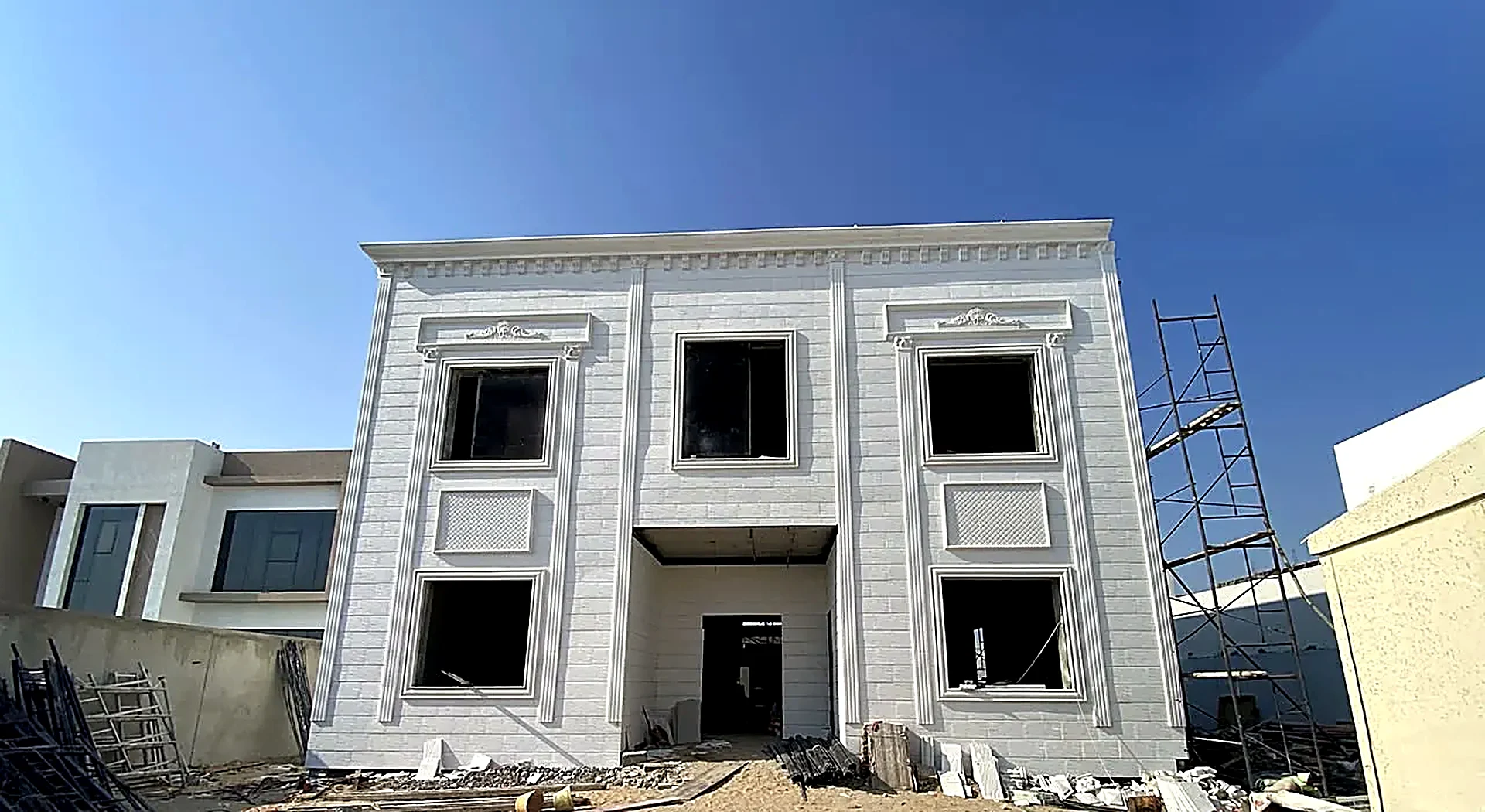
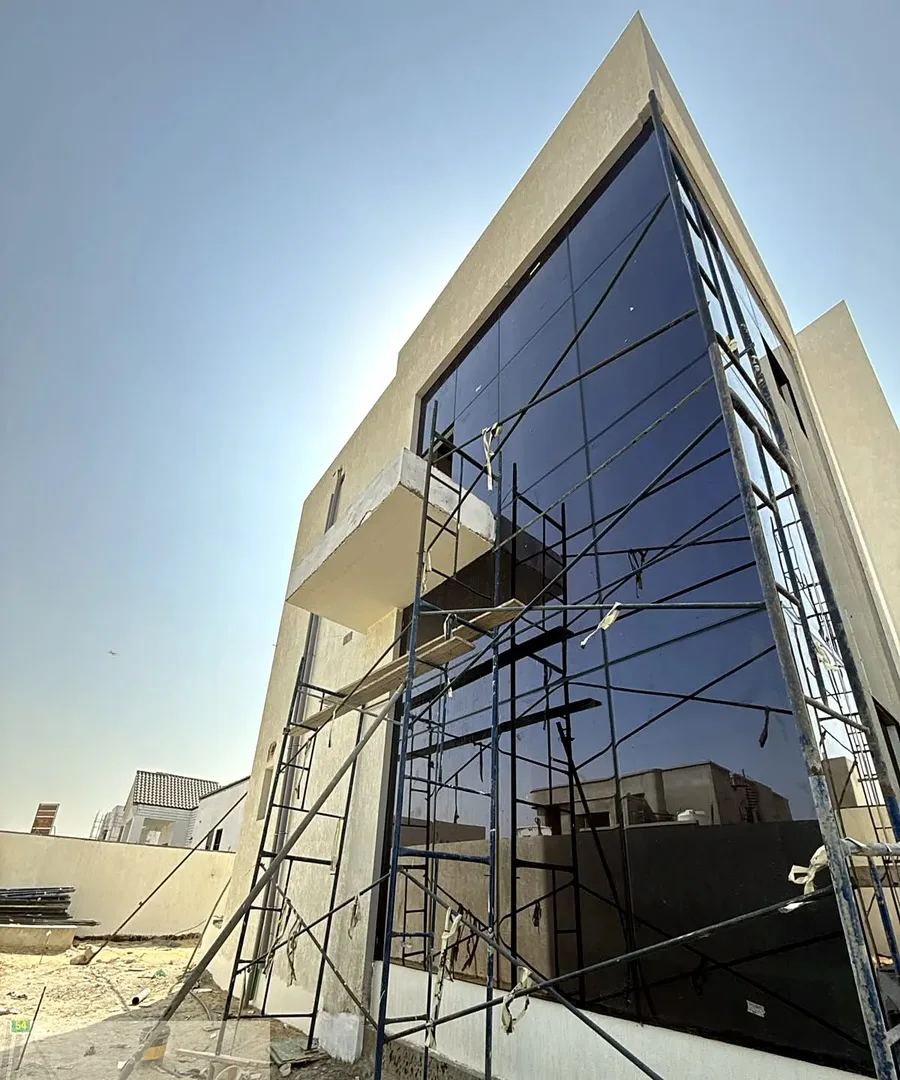
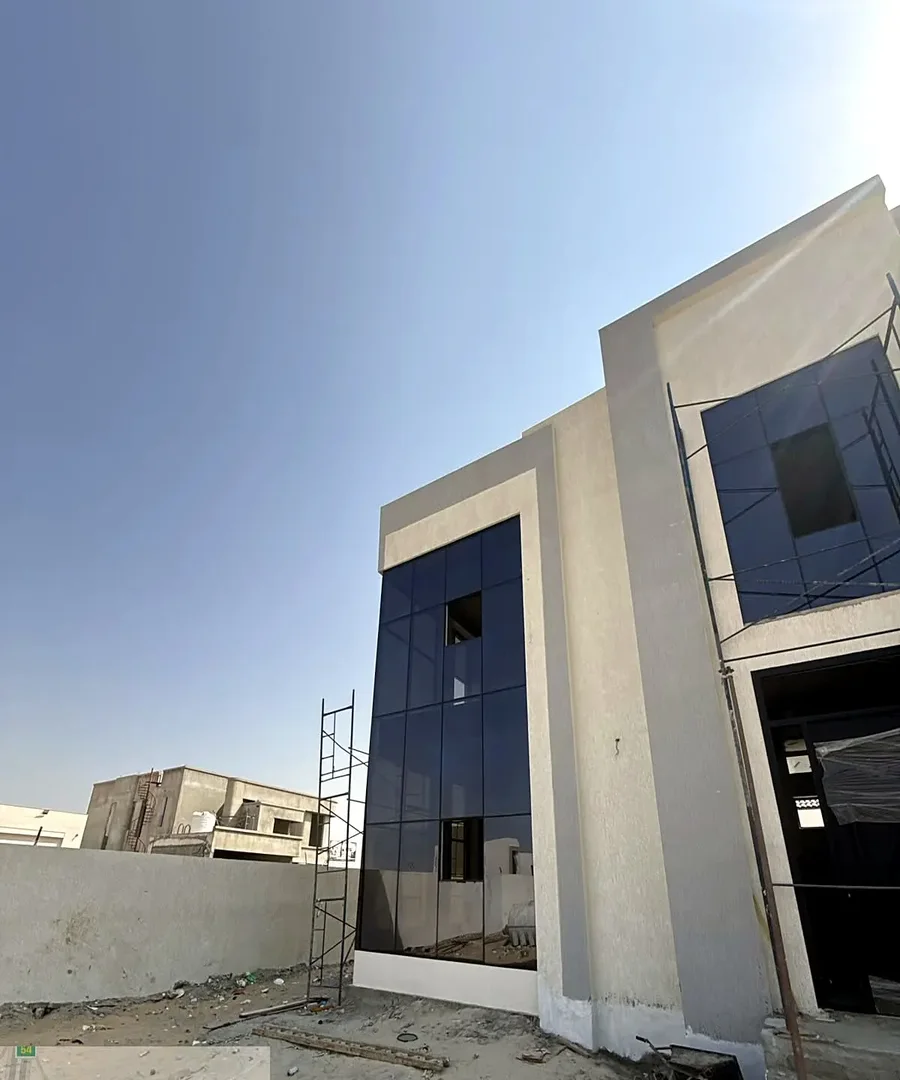
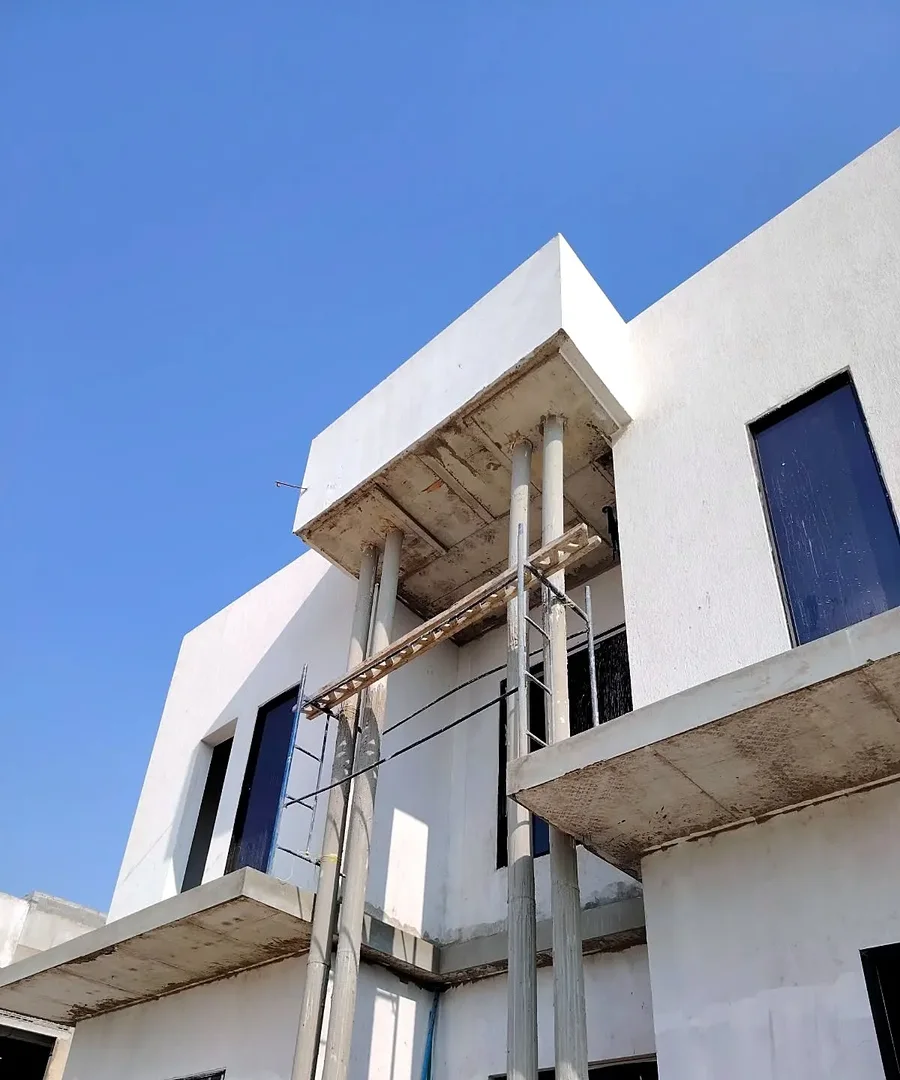
Real photos from villa projects in Dubai, 2026.

Send a short description of the problem on WhatsApp. Eng. Mohamed replies personally.
Message him on WhatsApp